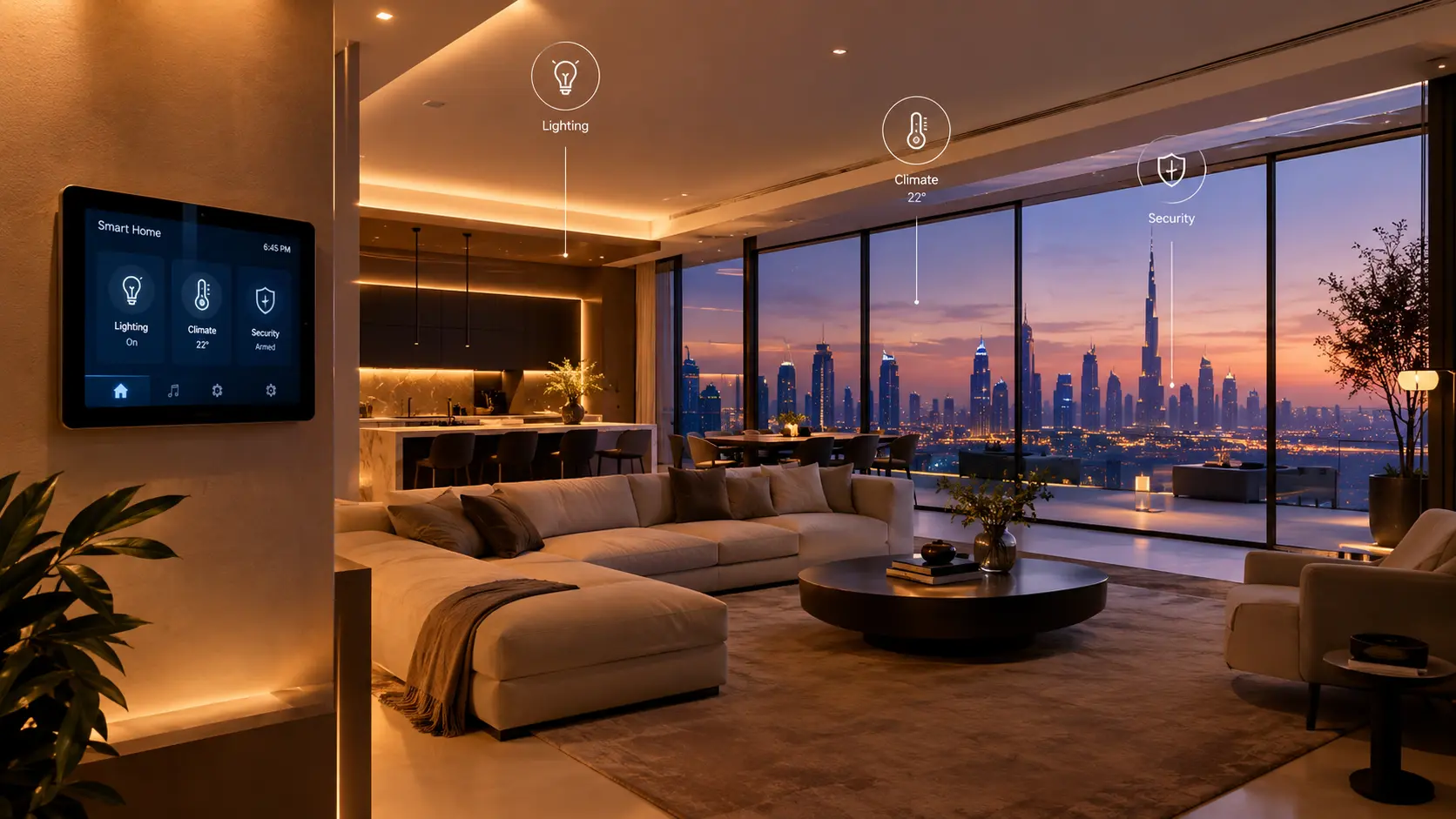
Home Automation: The Future of Smart Living

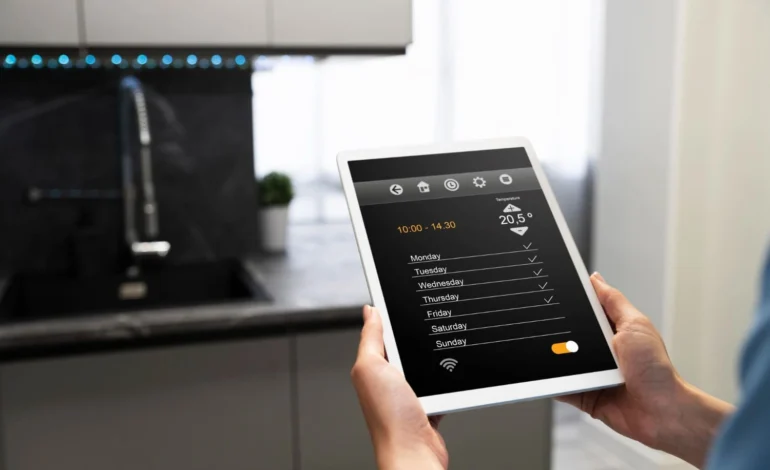
In today’s fast-evolving digital world, convenience, comfort, and security have become essential elements of modern living. Home automation—once a luxury reserved for high-end homes—has now become an accessible, practical solution for households of all sizes. By integrating smart devices, sensors, and automated systems, home automation transforms ordinary living spaces into intelligent environments where technology works silently in the background to simplify everyday routines.
What is Home Automation?
Table of Contents
Home automation refers to the use of smart devices and connected technologies to control and monitor household systems such as lighting, climate control, appliances, entertainment units, and security features. These devices can be managed through mobile apps, voice assistants, or automated schedules, allowing users to operate their homes effortlessly.
From turning off lights remotely to receiving real-time alerts about unusual activity, home automation enhances both daily convenience and overall home security.
Why Home Automation Matters Today
The global shift toward smart living is driven by factors such as busy lifestyles, rising energy costs, and the need for enhanced home security. Home automation solutions address these modern needs in several impactful ways:
1. Greater Convenience
Smart homes reduce the need for manual tasks. Lights, blinds, thermostats, and appliances can be scheduled or controlled remotely. A single tap on a smartphone can unlock a door, turn on the AC, or start the coffee machine before anyone gets home.
2. Superior Energy Efficiency
Home automation plays a significant role in reducing power consumption. Systems such as smart thermostats, automated lighting, and energy monitoring tools help homeowners eliminate waste and optimize usage. Over time, this results in noticeable savings on electricity bills.
3. Enhanced Safety and Security
Smart security systems featuring door sensors, motion detectors, surveillance cameras, and alarm systems provide real-time monitoring and instant notifications. Whether at home or away, homeowners stay aware of what’s happening, ensuring better protection for family and property.
4. Improved Comfort and Lifestyle
Smart homes adapt to personal preferences. For example, lights can dim automatically when a movie starts, rooms can maintain perfect temperatures, and music can follow users from one room to another. This creates a modern, personalized living experience.
5. Increased Property Value
Homes equipped with automation features are highly attractive to buyers. Smart lighting, integrated security systems, and intelligent temperature control significantly increase a property’s market appeal and value.
Key Components of a Smart Home
A home automation setup typically includes the following major systems:
Smart Lighting
Energy-efficient LED bulbs and smart switches allow remote operation, dimming, automation, and mood-based lighting scenes.
Smart Thermostats and Climate Control
These devices learn user preferences and adjust temperatures automatically, optimizing comfort while reducing energy usage.
Smart Security Systems
Includes smart locks, doorbell cameras, CCTV systems, intrusion alarms, and motion sensors that offer complete surveillance and access control.
Smart Entertainment
Home cinemas, multi-room audio systems, and smart TVs create immersive entertainment experiences with seamless integration.
Smart Appliances
From refrigerators with touch displays to washing machines that can be operated via an app, appliances are becoming more intelligent and user-friendly.
Voice Assistants
Devices such as Google Assistant and Amazon Alexa act as the central control hubs, enabling hands-free operation of smart devices.
Benefits of Embracing Smart Home Technology
Home automation offers several long-term advantages:
- Time-saving convenience
- Better protection for families
- Lower utility bills
- Modern living with custom controls
- Remote access from anywhere
- Future-ready home environment
As technology continues to advance, smart homes are becoming more intuitive and interconnected, making automation not just a trend but a standard part of modern residential life.
The Future of Home Automation
The next wave of smart home innovation will bring even more intelligent systems powered by artificial intelligence (AI) and the Internet of Things (IoT). Homes will be capable of predicting routines, automating tasks without prompts, and personalizing living spaces based on behavior patterns. Everything—from cleaning to security—will become more automated and efficient.
As adoption increases, home automation will continue to shape the way people live, turning homes into truly intelligent environments that enhance productivity, comfort, and safety.