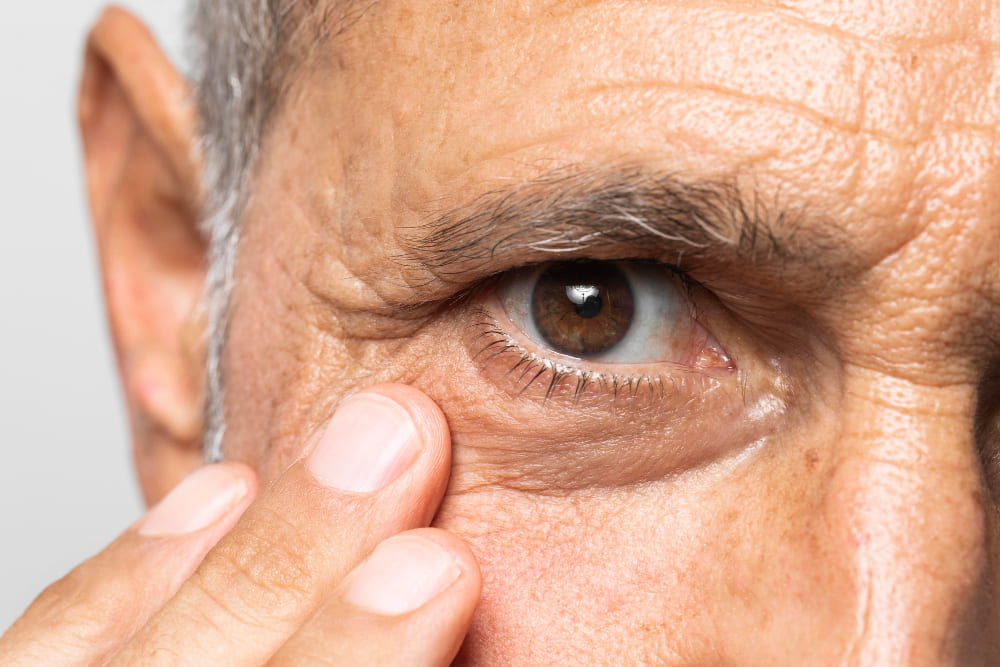
Corneal Issues: Causes, Symptoms, and Modern Treatment Options

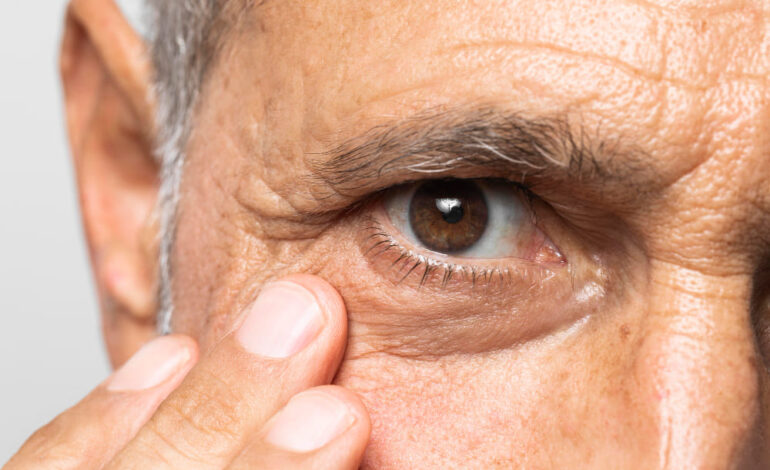
The cornea is the transparent, dome-shaped layer at the front of the eye that plays a vital role in focusing vision. Because it is the eye’s outermost surface, it is constantly exposed to dust, light, microbes, and environmental stress. Even minor damage to the cornea can cause discomfort, blurred vision, or serious visual impairment if left untreated. Understanding corneal issues helps in identifying early symptoms and seeking timely medical care.
What Are Corneal Issues?
Table of Contents
Corneal issues refer to any condition that affects the clarity, shape, or health of the cornea. Since the cornea is responsible for bending light into the eye, any irregularity can interfere with vision quality. Some corneal problems develop suddenly due to infections or injuries, while others progress slowly over time.
Common Types of Corneal Problems
Corneal Infections (Keratitis)
Infections caused by bacteria, viruses, fungi, or parasites can inflame the cornea. Contact lens users are more prone to this condition, especially if lenses are not cleaned properly. Symptoms include redness, pain, discharge, and sensitivity to light.
Corneal Ulcers
A corneal ulcer is an open sore on the cornea, often caused by untreated infections or injuries. It can lead to scarring and permanent vision loss if medical care is delayed.
Dry Eye-Related Corneal Damage
Insufficient tear production or poor tear quality can cause dryness, irritation, and micro-abrasions on the corneal surface. Prolonged dryness may damage corneal tissues.
Corneal Dystrophies
These are inherited conditions where abnormal material accumulates in the cornea, leading to gradual clouding and blurred vision. Some dystrophies progress slowly and may not show symptoms early.
Keratoconus
This condition causes the cornea to thin and bulge outward into a cone shape, leading to distorted vision and increasing sensitivity to light. It usually begins in adolescence or early adulthood.
Corneal Scars
Injuries, infections, or surgical complications can leave scars on the cornea, affecting transparency and vision clarity.
Common Symptoms to Watch For
Corneal problems often present noticeable symptoms, including:
- Blurred or distorted vision
- Eye pain or discomfort
- Redness and irritation
- Excessive tearing
- Sensitivity to light
- Feeling of something stuck in the eye
Ignoring these signs can allow conditions to worsen, making early eye examination essential.
Causes of Corneal Issues
Several factors contribute to corneal conditions:
- Poor contact lens hygiene
- Eye injuries from foreign objects
- Prolonged exposure to UV rays
- Dry environments and air conditioning
- Eye allergies
- Underlying health conditions like diabetes
- Genetic factors
Lifestyle and environmental conditions often play a major role in corneal health.
Diagnosis and Evaluation
Eye specialists use advanced tools to examine the cornea in detail. Tests may include slit-lamp examination, corneal topography, tear film analysis, and imaging scans. These tests help identify the exact condition and guide treatment decisions.
Modern Treatment Options
Treatment depends on the type and severity of the corneal issue.
- Medicated Eye Drops: Used for infections, inflammation, and dry eye management.
- Specialized Contact Lenses: Rigid or scleral lenses help in keratoconus management.
- Corneal Cross-Linking: A procedure that strengthens corneal tissue to slow keratoconus progression.
- Laser Treatments: Used for surface irregularities and scar correction in select cases.
- Corneal Transplant Surgery: Recommended for advanced corneal damage or scarring.
Early treatment significantly improves outcomes.
How to Protect Corneal Health
Simple habits help maintain a healthy cornea:
- Wash hands before touching eyes or lenses
- Avoid sleeping with contact lenses
- Use protective eyewear in dusty environments
- Take breaks from digital screens
- Keep eyes hydrated with lubricating drops
- Attend regular eye check-ups
Preventive care reduces the risk of long-term corneal damage.
When to See an Eye Specialist
Immediate consultation is necessary if there is sudden pain, loss of vision, severe redness, or light sensitivity. Delayed treatment can lead to permanent corneal scarring or vision loss. If you have these signs, you must consult a cornea specialist in Kerala.
Conclusion
Corneal issues range from mild irritation to serious vision-threatening conditions. Awareness of symptoms, maintaining eye hygiene, and seeking professional eye care at the right time are key to preserving clear vision. With modern diagnostic tools and advanced treatments available today, most corneal problems can be managed successfully when detected early.