Symptoms of Eye Problems in Children: Early Signs Parents Should Never Ignore

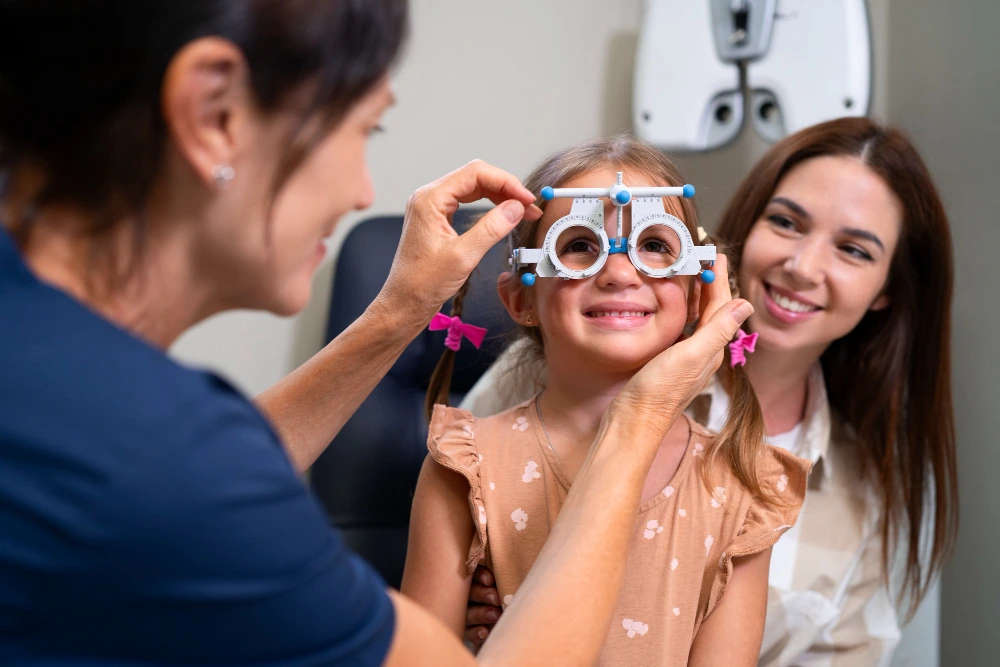
A child experiences the world largely through their eyes. From learning alphabets to recognizing faces and exploring surroundings, healthy vision plays a crucial role in physical, emotional, and academic development. However, children rarely complain about vision issues because they assume everyone sees the world the same way. This makes it essential for parents to recognize the symptoms of eye problems in children before they affect long-term visual health.
Understanding early warning signs can help ensure timely diagnosis and effective treatment.
Why Children’s Eye Health Needs Special Attention
Table of Contents
Vision develops rapidly during childhood. Any untreated eye condition during these formative years can lead to permanent vision impairment. Many pediatric eye problems are correctable if detected early, but delayed attention may cause complications such as lazy eye, poor academic performance, or reduced visual clarity later in life.
Regular eye checkups combined with parental awareness create the strongest defense against childhood vision disorders. At Abate Eye Hospital, you will get the best pediatric ophthalmologist in Kerala to save your child’s vision.
Common Symptoms of Eye Problems in Children
1. Squinting Frequently
If a child squints while watching television or reading distant text, it may indicate blurred vision caused by refractive errors like nearsightedness or astigmatism.
2. Sitting Too Close to Screens
Children who consistently sit close to the TV or hold books too near their faces may be struggling to see clearly.
3. Rubbing Eyes Often
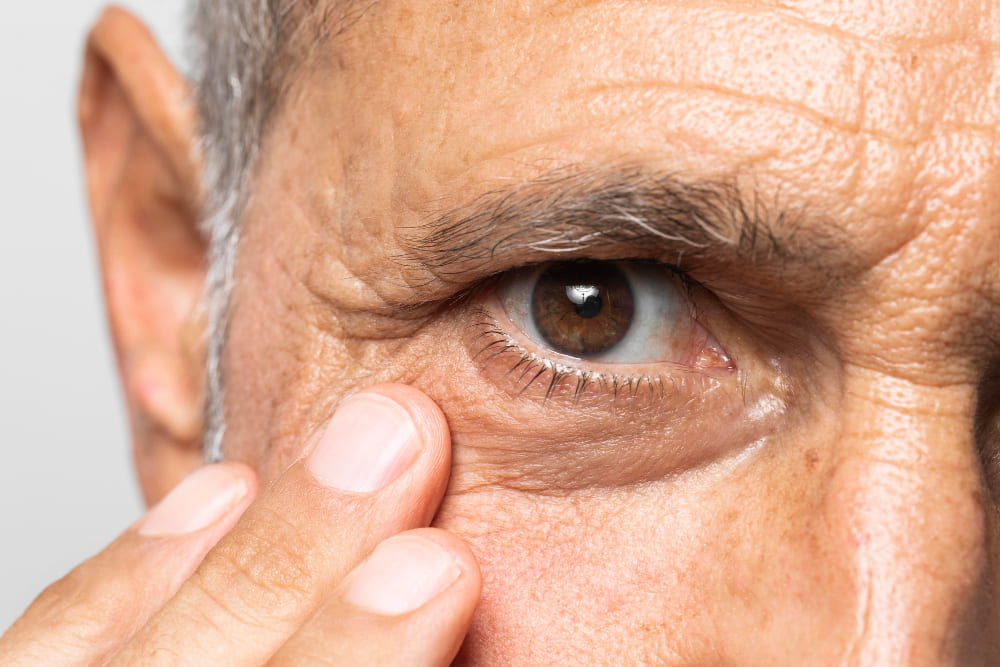
Frequent eye rubbing can be a sign of eye strain, dryness, or allergies. Persistent rubbing should not be ignored.
4. Head Tilting or Turning
Some children tilt their head to one side to see better. This could signal eye misalignment or double vision.
5. Frequent Headaches
Uncorrected vision issues often cause eye strain, leading to headaches after reading or screen use.
6. Excessive Blinking
Rapid or repeated blinking may indicate eye irritation, dryness, or focusing difficulty.
7. Red or Watery Eyes
Continuous tearing or redness could be due to infections, allergies, or blocked tear ducts.
8. Poor School Performance
Vision problems often show up as difficulty in reading, writing, or concentrating in class. A sudden drop in academic performance may be linked to eyesight.
9. Sensitivity to Light
If a child avoids bright light or complains of discomfort outdoors, it could point to corneal or retinal sensitivity issues.
10. White or Cloudy Reflection in the Eye
A white glow in photographs or a cloudy pupil may indicate serious conditions like pediatric cataract and requires immediate medical attention.
Common Eye Conditions in Children
- Refractive errors (near or farsightedness)
- Lazy eye (amblyopia)
- Squint (strabismus)
- Pediatric cataract
- Eye allergies
- Blocked tear ducts
- Digital eye strain
Many of these conditions progress silently, which is why symptom awareness is so important.
When Should Parents Schedule an Eye Checkup?
Experts recommend:
- First eye screening at 6 months
- A follow-up check at 3 years
- An exam before school admission
- Annual eye tests thereafter
Immediate consultation is needed if any unusual symptoms appear.
Simple Ways to Protect Your Child’s Vision
- Limit screen exposure
- Encourage outdoor activities
- Maintain proper lighting while reading
- Provide a nutrient-rich diet
- Ensure adequate sleep
- Schedule routine eye examinations
These small steps go a long way in safeguarding long-term eye health.
Final Thoughts
Children may not express vision difficulties directly, but their behavior often reveals hidden eye problems. Recognizing the symptoms of eye problems in children helps parents take quick action, preventing long-term complications. Regular eye checkups and early care ensure that children grow with clear, healthy vision and better confidence in learning and daily life.